Wake-Up Body Scan
Before getting out of bed, spend two minutes noticing sensations throughout your body. Start from your toes and move upward, simply observing without trying to change anything.
Simple, practical techniques to integrate self-awareness into your everyday routine
Begin your day with intention by establishing a morning routine that grounds you in self-awareness.
Before getting out of bed, spend two minutes noticing sensations throughout your body. Start from your toes and move upward, simply observing without trying to change anything.
Ask yourself how you want to show up today. Notice what arises without forcing a particular answer. This creates a gentle direction for your day.
Choose one morning activity to do with complete attention. Whether making tea, showering, or getting dressed, be fully present for that experience.
Notice three things you can appreciate in this moment. They can be as simple as a comfortable bed, morning light, or the ability to breathe easily.
Use transitions between activities as opportunities for brief self-check-ins. Before starting a new task, pause for three breaths and notice your current state.
When you notice a strong emotion, simply name it. This simple act creates space between you and the emotion.
Set hourly reminders to notice your posture, breathing, and any tension you are holding. Make small adjustments if needed.
Periodically notice the quality of your thoughts. Are they focused on the past, future, or present? Are they critical or kind? Simply observe without judgment.
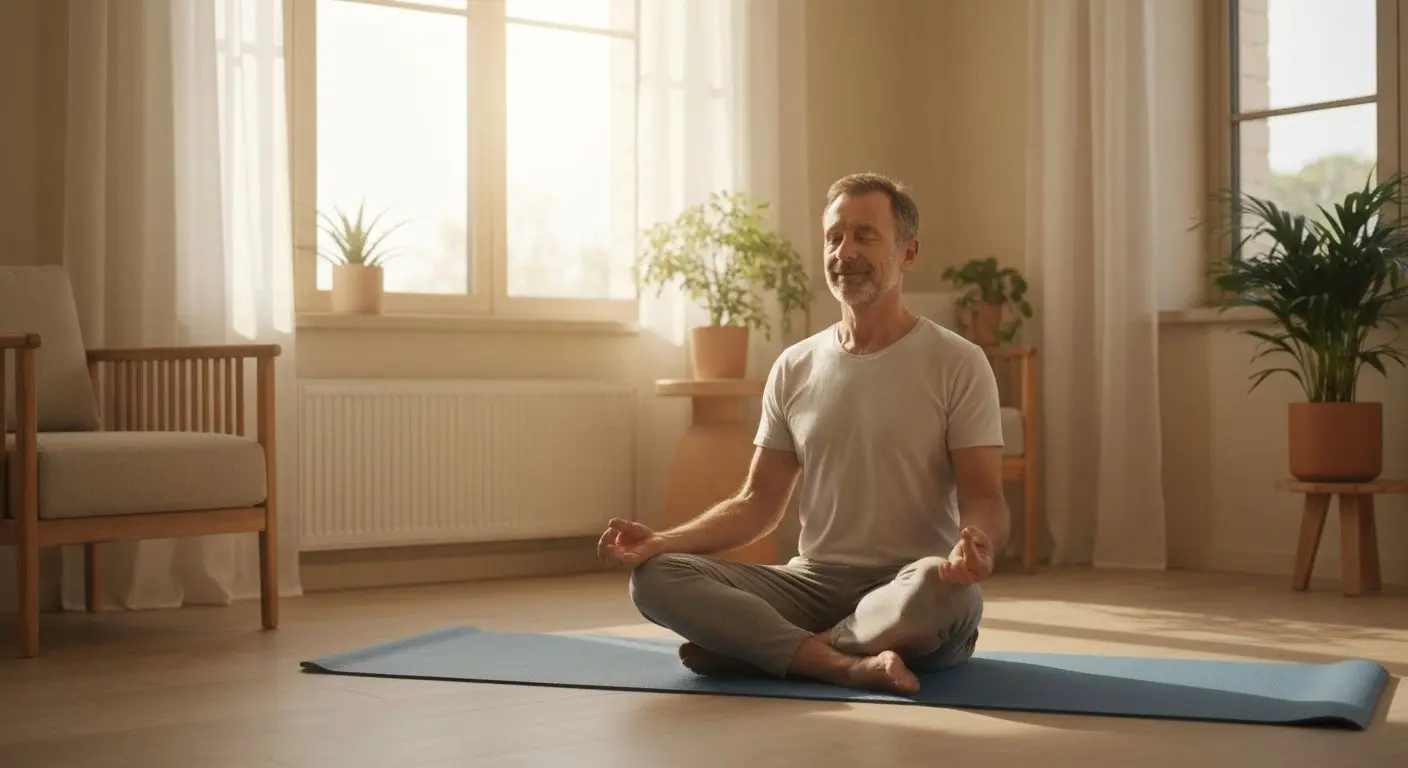
Wind down your day with practices that promote reflection and prepare you for restful sleep.
Spend five minutes reflecting on your day. What moments stand out? When did you feel most present? What did you learn about yourself?
Notice what you are carrying from the day. Acknowledge any unfinished business or lingering emotions, then consciously set them aside for the evening.
Create a simple evening routine that signals to your mind and body that the day is complete. This might include dimming lights, gentle stretching, or preparing for tomorrow.
End your day by noting three specific moments you appreciated. Focus on small, concrete experiences rather than general statements.
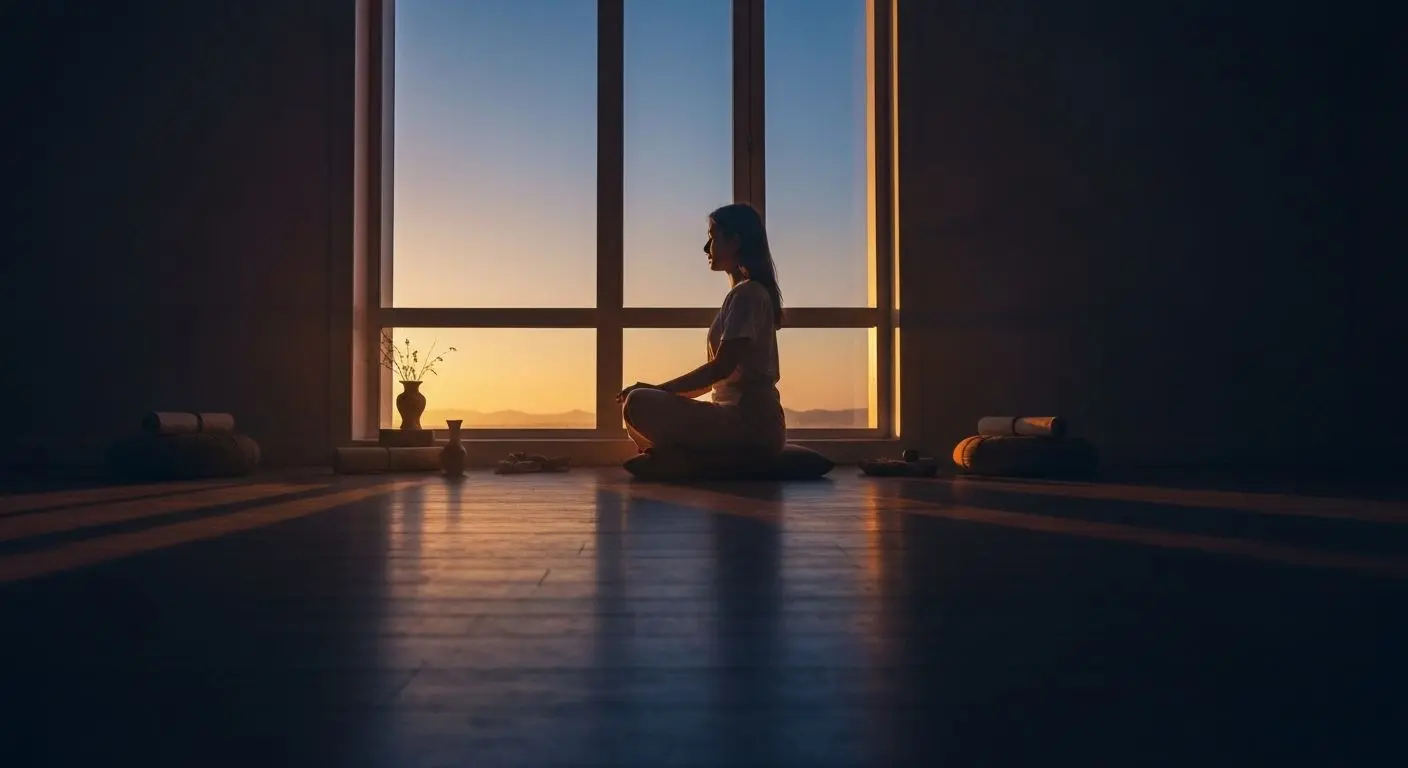
Choose a single practice that resonates with you and commit to it for one week. Once it feels natural, add another.
Keep a simple log of when you practice and what you notice. This helps you see patterns and stay motivated.
Your practice should support your life, not add stress. If something does not work, modify it or try a different approach.
Missing a day does not mean failure. Simply return to your practice the next day without self-criticism.